Exploring the Rise of Diverse Voices in Modern Literature
Introduction
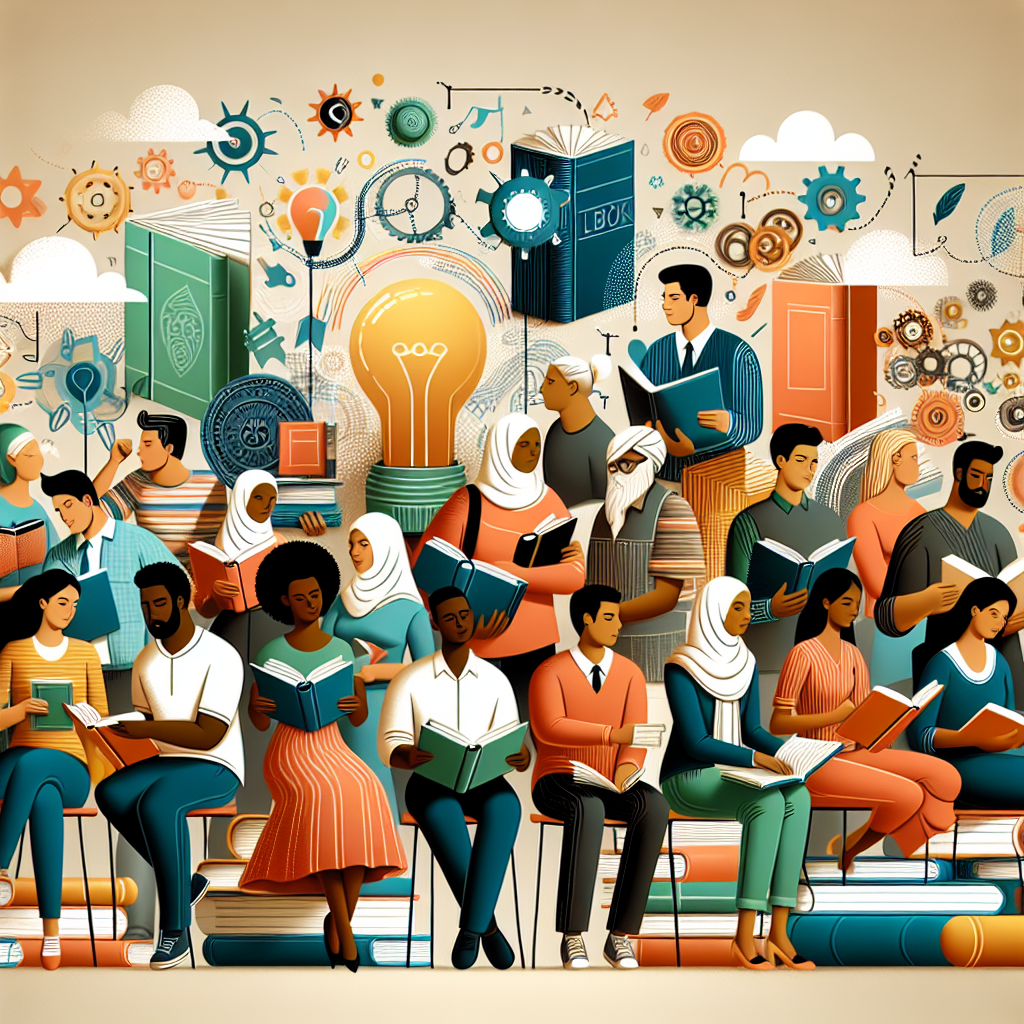
In recent years, the literary landscape has undergone a significant transformation. The rise of diverse voices in modern literature has not only enriched the field but has also reshaped our understanding of storytelling, culture, and identity. This article delves into the factors contributing to this evolution, the impact of diverse narratives, and the ongoing challenges that authors and the publishing industry face in embracing this inclusivity.
The Historical Context of Diversity in Literature
Literature has traditionally been dominated by voices from a narrow spectrum of society, often reflecting the experiences and perspectives of the dominant culture. For decades, marginalized groups, including people of color, women, LGBTQ+ individuals, and those with disabilities, struggled to find representation in mainstream literature. This lack of diversity not only limited the range of stories being told but also perpetuated stereotypes and cultural misunderstandings.
However, the latter half of the 20th century witnessed significant movements aimed at amplifying marginalized voices. The Civil Rights Movement, feminist movements, and LGBTQ+ activism, among others, played crucial roles in advocating for greater representation in literature. Authors such as James Baldwin, Toni Morrison, Maya Angelou, and more recently, Chimamanda Ngozi Adichie and Junot Díaz, began to break through the barriers, offering narratives that were authentic, poignant, and reflective of their unique cultural experiences.
Factors Contributing to the Rise of Diverse Voices
Several factors have contributed to the increased visibility and success of diverse voices in modern literature. These include:
1. Social Media and Digital Platforms
The advent of social media and digital platforms has democratized the way stories are shared and consumed. Authors now have direct access to a global audience, allowing them to bypass traditional gatekeepers in the publishing industry. Platforms like Twitter, Instagram, and Wattpad have become spaces where diverse writers can showcase their work, connect with readers, and build communities that champion inclusivity.
2. Publishing Industry Initiatives
In response to increasing demand for diverse narratives, many publishing houses have launched initiatives to discover and promote underrepresented authors. Programs such as the #OwnVoices movement, which encourages authors to write stories that reflect their own experiences, have gained traction. Furthermore, independent publishing houses dedicated to diversity have emerged, providing a platform for voices that might otherwise go unheard.
3. Reader Demand
Readers today are more conscious of and interested in narratives that reflect the rich tapestry of human experience. There is a growing appetite for stories that explore different cultures, identities, and perspectives, prompting publishers to seek out diverse voices actively. Book clubs, reader reviews, and online communities have played a role in amplifying the demand for inclusive literature.
The Impact of Diverse Narratives
The rise of diverse voices in literature has had a profound impact on both individual readers and society at large. Here are some of the key effects:
1. Expanding Empathy and Understanding
Diverse narratives allow readers to step into the shoes of characters from different backgrounds, fostering empathy and understanding. By exposing readers to experiences and cultures different from their own, literature can challenge prejudices and promote social cohesion.
2. Cultural Preservation and Celebration
Through literature, authors can preserve and celebrate their cultures, languages, and traditions. These stories serve as a cultural record, ensuring that the richness of diverse heritages is acknowledged and appreciated. Authors like Haruki Murakami and Chimamanda Ngozi Adichie have contributed to the global recognition of Japanese and Nigerian cultures, respectively.
3. Empowerment and Representation
Seeing oneself represented in literature can be a powerful experience, particularly for individuals from marginalized communities. Representation in literature can validate identities, inspire confidence, and empower readers to envision new possibilities for themselves. It sends a message that their experiences and voices matter.
Challenges and Ongoing Struggles
Despite the progress made, challenges remain in the quest for diversity in literature. These include:
1. Tokenism
While there is a growing demand for diverse voices, there is also a risk of tokenism. Some publishers and writers might focus on diversity as a marketing strategy rather than a genuine commitment to inclusivity. This can result in superficial representation that fails to capture the depth and complexity of diverse experiences.
2. Economic Barriers
Economic barriers can also limit the ability of diverse voices to thrive in the literary world. Many authors from marginalized backgrounds may lack the resources and connections necessary to navigate the publishing industry successfully. Support systems, grants, and scholarships are essential to leveling the playing field.
3. The Need for Diverse Gatekeepers
The lack of diversity among literary agents, editors, and other industry professionals can impede the progress of inclusive literature. Diverse gatekeepers are essential for recognizing and nurturing talent from underrepresented communities. Efforts to diversify the publishing workforce are crucial to sustaining the momentum of inclusive storytelling.
Conclusion
The rise of diverse voices in modern literature is a testament to the power of storytelling to transcend boundaries and connect us on a human level. While challenges persist, the progress made thus far is promising and indicative of a broader cultural shift toward inclusivity. As readers, writers, and industry professionals continue to champion diverse narratives, literature will continue to evolve, reflecting the multifaceted nature of our global society. By embracing and celebrating diverse voices, we enrich the literary world and create a more empathetic and understanding society.
#ChatGPT assisted in the creation of this article.
Share this content:











Post Comment